Huge Advantages of Small Assisted Living Homes for Daily Elderly Care
@waylonmelq693
Business Name: BeeHive Homes of Santa Fe NM
Address: 3838 Thomas Rd, Santa Fe, NM 87507
Phone: (505) 591-7021
BeeHive Homes of Santa Fe NM
BeeHive Homes of Santa Fe NM is a premier Santa Fe Assisted Living facilities and the perfect transition from an independent living facility or environment. Our Alzheimer care in Santa Fe, NM is designed to be smaller to create a more intimate atmosphere and to provide a family feel while our residents experience exceptional quality care. We promote memory care assisted living with caregivers who are here to help. Memory care assisted living is one of the most specialized types of senior living facilities you'll find. Dementia care assisted living in Santa Fe NM offers catered memory care services, attention and medication management, often in a secure dementia assisted living in Santa Fe or nursing home setting.
3838 Thomas Rd, Santa Fe, NM 87507
Business Hours
Families looking for senior care often picture long corridors, large dining rooms, and a calendar of activities pinned to a bulletin board system. That describes many standard assisted living neighborhoods. They have their strengths, however they are not the only model. Over the past years, small assisted living homes, often called residential care homes or board and care homes, have become an important option for daily elderly care.
I have actually strolled into big, magnificently decorated structures where a resident could go an entire early morning without talking to the same team member twice. I have likewise sat in the kitchen of a six‑bed home where the caregiver understood exactly how one resident liked her tea and which jokes would make another roll his eyes. Both can provide good assisted living, yet the everyday experience is very different.
This post looks carefully at why these smaller homes can work so well for day‑to‑day elderly care, what trade‑offs they bring, and how households can judge whether this model fits their situation.
What "small assisted living homes" really are
Terminology differs a lot by state. A small assisted living home may be accredited as a residential care home, personal care home, board and care home, or comparable label. Below the regulative language, the concept is simple: a house‑sized setting where a small number of older grownups get help with daily living.
Typical functions include personal or semi‑private bedrooms, shared living and dining areas, and 24‑hour staffing. Licensing guidelines cover staffing ratios, medication management, safety features, and training requirements. In numerous areas, these homes are topped at 4 to 16 locals, though exact numbers depend on regional law and zoning.
Families often stress that "house" equates to "uncontrolled" or "casual." That is not the case for reliable suppliers. They normally follow the same assisted living regulations as bigger neighborhoods, but they apply them in a residential rather than institutional setting. Asking direct concerns about licensing, inspections, and staff training rapidly exposes who takes compliance seriously.
The day-to-day rhythm: where small homes shine
When people move to assisted living, what shapes their lifestyle is not the sales brochure. It is the day-to-day rhythm: who assists them out of bed, how typically somebody checks if they are hungry or restless, whether staff have sufficient time to notice a modification in mood or mobility.
In smaller homes, that rhythm tends to feel more like extended domesticity. Personnel invest more minutes per resident merely due to the fact that there are fewer homeowners completing for attention. A caregiver who assists with the morning regimen may be the exact same individual who sits down during a peaceful afternoon to view a favorite program, and later assists prepare for bed. Familiarity constructs quickly.
I once dealt with a gentleman who moved from a big assisted living to a six‑resident home after a stroke. In the huge structure, timers governed the schedule. Showers had fixed days. Meals served on the dot. Activities printed weeks ahead. That predictability helped some residents, however he felt hurried and typically avoided group programs. In the smaller home, his day shifted. Breakfast became "whenever he wandered into the kitchen between 7 and 9." The caretaker would greet him with, "Toast day or oatmeal day?" That easy option, at his own rate, did as much for his sense of dignity as any official care plan.
Caregivers in small homes likewise tend to see the full arc of a resident's day. If somebody is abnormally drowsy, has less cravings, or goes to the restroom three times more than normal, it sticks out. In bigger buildings, those fragments of information may be spread amongst multiple staff members and various departments. In a home with eight homeowners, the over night aide can quickly inform the early morning shift, "Mrs. J was up more than typical, keep an eye on her," and understand she will be heard.
None of this implies large assisted living can not offer warm daily care. Numerous do. The point is that small scale makes sure quality routines more natural and automatic.
Personalization that actually sticks
Every assisted living neighborhood discuss "customized care." The distinction in small homes is how often care plans genuinely line up with daily practice.
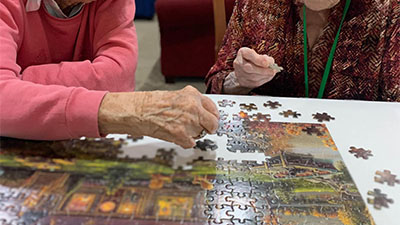
Personalization in a small residential home normally shows up in small, unglamorous information. Which side of the bed somebody prefers to exit from. Whether they like to transfer using a particular chair arm instead of a walker. Just how much triggering they need to keep in mind their hearing aids. In a home with 6 or 8 locals, staff can remember these preferences without flipping through a binder.
Families typically inform me they are satisfied when, within the very first week, staff in a small home call their parent by a nickname just relatives normally utilize. Not since they pulled it from a chart, however due to the fact that there has been time to talk, recollect, and listen. Those conversations are not "extra." They are the medium through which excellent elderly care happens.
This level of familiarity specifically benefits citizens with dementia. A confused person fares better when the faces around them are constant and the regimens versatile enough to adjust to that individual's mood. In a smaller setting, a resident having a rough morning can remain in pajamas a bit longer, eat breakfast in the living room instead of the dining table, or speed the same corridor without feeling exposed in front of dozens of others.
Personalization also reaches cultural and spiritual routines. I have actually seen small homes adjust weekly menus around one resident's long‑held Friday fish custom, or quietly set up transport for a month-to-month worship service because they knew how deeply it mattered. In a substantial building, even when staff care, the large size can bury such gestures under workload and schedules.
Social life on a human scale
Families often presume that bigger structures mean better social life. More locals, more potential pals. Sometimes that applies, especially for very extroverted seniors who thrive on a packed calendar. Nevertheless, numerous older adults do not always desire ten choices a day. They want two or three meaningful contacts that feel natural, not forced.
In a small assisted living home, social interaction tends to take place in much shorter, more frequent bursts. A resident strolling through the open kitchen will inevitably talk with whoever is cooking. Someone reading in the living room may spontaneously join a puzzle another resident has actually started. Personnel can quickly observe who invests too much time alone and casually loop them into discussion without making it an official "activity."
For individuals who have grown more personal with age or who tiredness quickly, this softer social material can be less daunting than big, structured events. One retired engineer I worked with used to skip most set up activities in his previous big community. In the small home he moved to later, his social life slowly rebuilt through basic regimens: examining the mail with another resident, listening to baseball on the radio with a caregiver who was a real fan, feeding your house cat together. None of that appeared on an activities calendar, yet it mattered.
Of course, there are trade‑offs. Small homes hardly ever have on‑site fitness centers, theaters, or extensive clubs. Many partner with community centers, going to musicians, and volunteers to use range, but the scale is different. Households need to consider their loved one's social design. An extremely gregarious person who enjoys big crowds and events may find a small home quiet after a while. Others discover that the calmer environment minimizes anxiety and makes social interaction feel more manageable.
Staffing, oversight, and real accountability
One of the strongest advantages of a small setting is how noticeable whatever is. Residents, staff, and management share the same space. There is less room, literally and figuratively, for issues to hide.
From a staffing viewpoint, ratios often prefer the resident. In a common residential care home, you might see one caregiver for every 3 to 6 citizens during the day, and a single awake or sleep‑over staff person during the night, sometimes with an on‑call backup. In a large assisted living, the ratio can be greater, particularly over night, where a couple of aides may cover dozens of locals spread out throughout several wings.
More crucial than raw numbers is connection. In small homes, the exact same staff often work consistent shifts for the exact same group of residents. That stability develops deep understanding. It likewise makes turnover more obvious. If a precious assistant vanishes and new faces appear constantly, families discover rapidly and can ask why.
Owners or administrators of small homes tend to be extremely present. Many live close-by or perhaps on site. I have actually seen owners personally drive residents to professional appointments, sit in on care conferences, or help fix behavior changes since they genuinely understand the individual. When something goes wrong, such as a fall or medication mistake, there are less layers in between the cutting edge and choice makers. Course corrections can be faster.
Oversight is not perfect in any setting. A small home can be run inadequately, simply as a big building can. Households need to always ask about evaluation histories, complaint records, and staff training. Yet in a small setting, continuous household participation is generally more useful. Dropping in unannounced, sharing a meal, or sitting quietly in the living room for an hour reveals a lot. You see how staff talk to homeowners, how quickly calls for assistance are answered, and whether the environment feels calm or frantic.
Practical differences in everyday care
To understand whether a small assisted living home will serve your family well, it helps to picture the day from waking to bedtime. Numerous patterns tend to differ from bigger settings.
Mornings frequently stagger naturally. Rather than lots of people trying to bathe, gown, and line up for breakfast at a set time, citizens in small homes wake according to their own rhythms, within reason. Caretakers are not racing a group dining schedule, so they can permit a bit more time for slow movers or anxious bathers. A resident who has actually never been a morning person does not need to suddenly end up being one.
Meals feel more like family dining. Food cooks in a real kitchen. Smells drift into bed rooms and the living room. Residents can see, comment, help set the table, or slice veggies if they are able. Part sizes change casually. Somebody who wants a smaller lunch and a more significant night meal can be accommodated without a long request process.
Medication management is normally centralized however visible. Personnel might use locked cabinets in the kitchen area or a dedicated med space, yet administration often takes place in typical areas where locals currently are. This minimizes the sense of "going to the nurse's station" and allows personnel to watch on citizens for any immediate reactions or side effects.
Personal care, such as toileting, bathing, and dressing, typically has more versatility. A resident who is frightened of showers might move to sponge baths for a time, then gradually reintroduce brief showers with familiar personnel. It is easier to experiment when there is not push to move a long line of other homeowners through the very same routine.
Family participation tends to be informal and welcome. Grandchildren can curl up on the couch for a visit. Buddies can share a cup of coffee in the kitchen. Family pets are typically enabled, within security limits. The environment invites visitors to remain a while instead of hover in a lobby or formal going to area.
When small homes support greater needs
Many households presume that small assisted living homes are just for reasonably independent senior citizens. In reality, a great variety of these homes are set up to support residents who have higher care requirements, often close to what a nursing facility might provide, depending upon state rules.
For example, I have seen small homes effectively care for:
Residents with moderate to sophisticated dementia who require frequent cueing, gentle redirection, or close supervision so they do not roam out of safe areas.
Residents who are physically frail, maybe needing two‑person support or mechanical lifts for transfers, in partnership with home health or hospice services.
Residents with complex medication routines, including insulin injections, inhalers, and numerous day-to-day pills, managed under nurse oversight.
This greater skill care works well in small homes when three conditions fulfill: steady staffing, good external medical support, and clear communication with households. Since staff see each resident so often, modifications in condition are generally discovered early. A resident who walks a bit slower, eats a little less, or appears off balance will draw fast attention.
However, small homes are not an extensive care system. Particular medical situations still require nursing homes or health center care. Large injury care requirements, regular IV medications, BeeHive Homes of Santa Fe NM assisted living or intricate medical equipment can extend the capacity of a residential setting. That is where truthful assessment and clear agreements matter. A respectable small home will be really specific about what they can and can not safely handle, and will not hesitate to recommend a higher level of care when appropriate.
Respite care: checking the fit without a long commitment
Respite care is a short‑term stay that provides family caregivers a break while their loved one receives professional elderly care. Numerous small assisted living homes offer respite stays keyed around a day-to-day or weekly rate, typically with a minimum of a few days.
For caretakers who are uncertain whether a small home model will suit their parent, respite care provides a low‑risk trial. The resident gets to experience everyday regimens, meet personnel, and test the physical environment. Families see how communication feels, how well the home manages medications and personal care, and whether the resident's mood modifications for much better or worse.
I often encourage caretakers who are on the fence in between a big community and a small home to use respite strategically. Set up an one or two week stay in each kind of setting, if possible, separated by a long time in the house. Take note not only to your loved one's feedback, but also to your own tension levels, how much information you receive from personnel, and how easily you can reach somebody who understands what is going on day to day.
Respite care also matters when a main family caretaker faces surgical treatment, a company journey, or basic burnout. A small home can feel less confusing to a frail elder than a big structure, especially if they are coming directly from a private home. The shift from "my home" to "a home that appears like a big household's house" often feels less jarring.
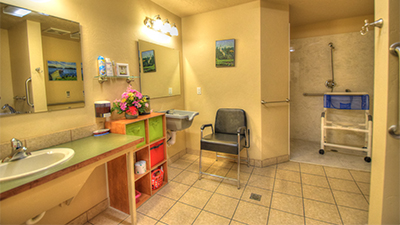
Key benefits of small assisted living homes at a glance
Here is a concise summary of benefits numerous households discover when selecting a smaller residential home for senior care:
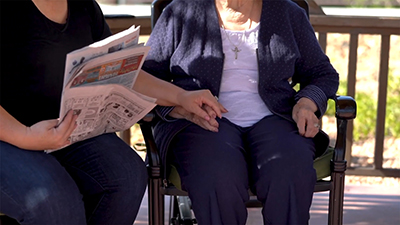
- More customized attention due to the fact that personnel take care of less homeowners and see them throughout the day
- Home like environment that reduces institutional feel and can alleviate anxiety or confusion
- Stronger relationships among residents, staff, and families, which supports trust and better communication
- Easier tracking of subtle health or habits modifications, often catching problems earlier
- Flexible day-to-day regimens that can adapt to lifelong practices, cultural practices, and altering abilities
Trade offs and sincere limitations
No senior care alternative is perfect. Small assisted living homes bring trade‑offs that are worthy of clear eyes.
Space and amenities are restricted by the physical size of a home. There is hardly ever space for a devoted gym, theater, or multiple activity spaces. Hallways may be narrower, which can matter for homeowners utilizing large equipment. Outdoor gain access to typically implies a yard or outdoor patio instead of substantial premises. For lots of elders, this relaxing scale is comforting, but anybody utilized to long indoor strolls or big group events may feel constrained.
On site medical existence is typically lighter. Larger communities in some cases have nurse practitioners checking out regularly, on‑site treatment fitness centers, or partnerships with clinics. Small homes rely more on visiting nurses, therapists, and physicians. That works well when coordination is strong, however can falter if communication lines break down or regional service providers are stretched thin.
Costs differ more than many people expect. Some small homes offer very competitive prices relative to big communities, especially when you factor in the level of hands‑on care consisted of. Others, especially in high‑demand communities, can be more expensive. Due to the fact that there are fewer homeowners, the expense of staffing, lease, and energies spreads across a smaller base. It is vital to get a detailed charge schedule and ask exactly what is covered and what sets off included costs.
Coverage by insurance and public programs might also differ. Long‑term care policies typically cover certified assisted living regardless of size, however you ought to validate home eligibility. Medicaid waivers, where offered, frequently have specific agreements with particular service providers. Not every small home participates. Families counting on public funding requirement to examine those details early.
Lastly, not all families are comfy with the level of intimacy that small homes develop. Brother or sisters might disagree on whether a parent requires that much oversight. Some elders choose the privacy of a large building where they can mix in and select when to engage. Character, history, and family dynamics matter as much as the care design itself.
How to evaluate a small assisted living home
When you step into a potential home, the first impression frequently informs you more than the tour script. Take note of what you feel in your body. If your shoulders drop and your breathing slows, that is data. Still, sensations benefit from structure. Throughout visits, lots of families discover it helpful to keep a basic psychological list focused on 5 areas:
- Safety and tidiness: clear walkways, grab bars, smoke alarm, safe exits for residents with dementia, no strong smells masked by air freshener
- Staffing truth: number of personnel on responsibility, how they speak with locals, whether they seem hurried or present, and whether an administrator or owner is easily reachable
- Resident experience: facial expressions, whether people look engaged or withdrawn, how staff react to call bells or verbal requests
- Daily life: what is cooking in the kitchen area, whether anybody is chatting or listening to music, how flexible regimens appear, and whether personal products show up in locals' rooms
- Communication practices: how particular staff are when addressing concerns about care, medication schedules, bathing regimens, and family updates
After the visit, compare notes amongst member of the family. Often a single person notifications the physical environment, another gets social cues, and a third absolutely nos in on personnel professionalism. That composite view provides a much better photo than any single perspective.
Matching the design to your household's reality
Assisted living, respite care, and wider senior care decisions usually emerge from stress: a fall, a hospitalization, a caretaker reaching completion of their rope. Under pressure, it is appealing to grab the very first option a discharge coordinator recommends. Taking an action back to ask, "What kind of daily life would my parent in fact thrive in?" can change the trajectory.
Small assisted living homes excel when a person values familiarity, calm, and close relationships, and when their care requires gain from regular observation and versatile routines. They fit households who wish to be included and present, but who need trustworthy partners to share the weight of elderly care. They are particularly powerful when used attentively for respite care to check fit and foster trust before a long-term move.
For some elders, the busier environment and comprehensive facilities of a bigger neighborhood align much better with their personality and objectives. That is not a failure of the small home design, just a various match.
What matters most is not the size of the structure. It is whether, in that location, your loved one is seen, heard, and helped to live the fullest version of life that their health permits. Small assisted living homes, when well run, often make that sort of mindful, human‑scale care simpler to deliver day after day.
BeeHive Homes of Santa Fe NM provides assisted living care
BeeHive Homes of Santa Fe NM provides memory care services
BeeHive Homes of Santa Fe NM provides respite care services
BeeHive Homes of Santa Fe NM supports assistance with bathing and grooming
BeeHive Homes of Santa Fe NM offers private bedrooms with private bathrooms
BeeHive Homes of Santa Fe NM provides medication monitoring and documentation
BeeHive Homes of Santa Fe NM serves dietitian-approved meals
BeeHive Homes of Santa Fe NM provides housekeeping services
BeeHive Homes of Santa Fe NM provides laundry services
BeeHive Homes of Santa Fe NM offers community dining and social engagement activities
BeeHive Homes of Santa Fe NM features life enrichment activities
BeeHive Homes of Santa Fe NM supports personal care assistance during meals and daily routines
BeeHive Homes of Santa Fe NM promotes frequent physical and mental exercise opportunities
BeeHive Homes of Santa Fe NM provides a home-like residential environment
BeeHive Homes of Santa Fe NM creates customized care plans as residents’ needs change
BeeHive Homes of Santa Fe NM assesses individual resident care needs
BeeHive Homes of Santa Fe NM accepts private pay and long-term care insurance
BeeHive Homes of Santa Fe NM assists qualified veterans with Aid and Attendance benefits
BeeHive Homes of Santa Fe NM encourages meaningful resident-to-staff relationships
BeeHive Homes of Santa Fe NM delivers compassionate, attentive senior care focused on dignity and comfort
BeeHive Homes of Santa Fe NM has a phone number of (505) 591-7021
BeeHive Homes of Santa Fe NM has an address of 3838 Thomas Rd, Santa Fe, NM 87507
BeeHive Homes of Santa Fe NM has a website https://beehivehomes.com/locations/santa-fe/
BeeHive Homes of Santa Fe NM has Google Maps listing https://maps.app.goo.gl/fzApm6ojmRryQMu76
BeeHive Homes of Santa Fe NM has Facebook page https://www.facebook.com/BeeHiveSantaFe
BeeHive Homes of Santa Fe NM has a YouTube channel at https://www.youtube.com/@WelcomeHomeBeeHiveHomes
BeeHive Homes of Santa Fe NM won Top Assisted Living Homes 2025
BeeHive Homes of Santa Fe NM earned Best Customer Service Award 2024
BeeHive Homes of Santa Fe NM placed 1st for Senior Living Communities 2025
People Also Ask about BeeHive Homes of Santa Fe NM
What is BeeHive Homes of Santa Fe NM Living monthly room rate?
The rate depends on the level of care that is needed. We do a pre-admission evaluation for each resident to determine the level of care needed. The monthly rate is based on this evaluation. There are no hidden costs or fees
Can residents stay in BeeHive Homes of Santa Fe NM until the end of their life?
Usually yes. There are exceptions, such as when there are safety issues with the resident, or they need 24 hour skilled nursing services
Does BeeHive Homes of Santa Fe NM have a nurse on staff?
No, but each BeeHive Home has a consulting Nurse available 24 – 7. if nursing services are needed, a doctor can order home health to come into the home
What are BeeHive Homes of Santa Fe NM visiting hours?
Visiting hours are adjusted to accommodate the families and the resident’s needs… just not too early or too late
Do we have couple’s rooms available?
Yes, each home has rooms designed to accommodate couples. Please ask about the availability of these rooms
Where is BeeHive Homes of Santa Fe NM located?
BeeHive Homes of Santa Fe NM is conveniently located at 3838 Thomas Rd, Santa Fe, NM 87507. You can easily find directions on Google Maps or call at (505) 591-7021 Monday through Sunday 9:00am to 5:00pm
How can I contact BeeHive Homes of Santa Fe NM?
You can contact BeeHive Homes of Santa Fe NM by phone at: (505) 591-7021, visit their website at https://beehivehomes.com/locations/santa-fe, or connect on social media via Facebook or YouTube
Conveniently located near Beehive Homes of Santa Fe the Regal Santa Fe Place a great movie theater with full food & drink menu. Catch a movie and enjoy some great food while you wait.